HomeGilgit-Baltistan

Region · Northern Pakistan

Gilgit-Baltistan

Where the Karakoram, the Himalaya and the Hindu Kush meet: home to K2, Nanga Parbat, Hunza, Skardu and some of the most spectacular valleys on Earth.

  • RangesKarakoram, Himalaya, Hindu Kush
  • 8,000 m peaksFive
  • Main townsGilgit, Skardu, Karimabad
  • Best timeApril to October
  • Getting thereFly, or drive the KKH

About the region

The Roof of Pakistan

Gilgit-Baltistan covers the far north of Pakistan, bordering China, Afghanistan’s Wakhan Corridor and Kashmir. Almost all of it is mountain country.

All five of Pakistan’s 8,000-metre peaks are here, along with some of the longest glaciers outside the polar regions. Between them lie green, terraced valleys such as Hunza, Nagar, Shigar and Khaplu, where forts, palaces and wooden mosques tell the story of the small kingdoms that once ruled the mountains.

The Karakoram Highway runs through the region from Chilas to the Khunjerab Pass, and flights connect Islamabad with Gilgit and Skardu. From these hubs you can reach almost every trek, expedition and valley in the north.

  • K2, Nanga Parbat and the Gasherbrums
  • The Baltoro, Biafo and Hispar glaciers
  • Hunza, Skardu, Fairy Meadows and Deosai
  • Forts, palaces and living mountain cultures
The Hunza River winding through Hunza Valley

The Hunza River winding through Hunza Valley.

Destinations

Where to Go in Gilgit-Baltistan

Our most popular destinations and treks in the region.

Karimabad and the green terraces of Hunza Valley

Valley

Forts, orchards, Attabad Lake and the Passu Cones.

Explore Hunza

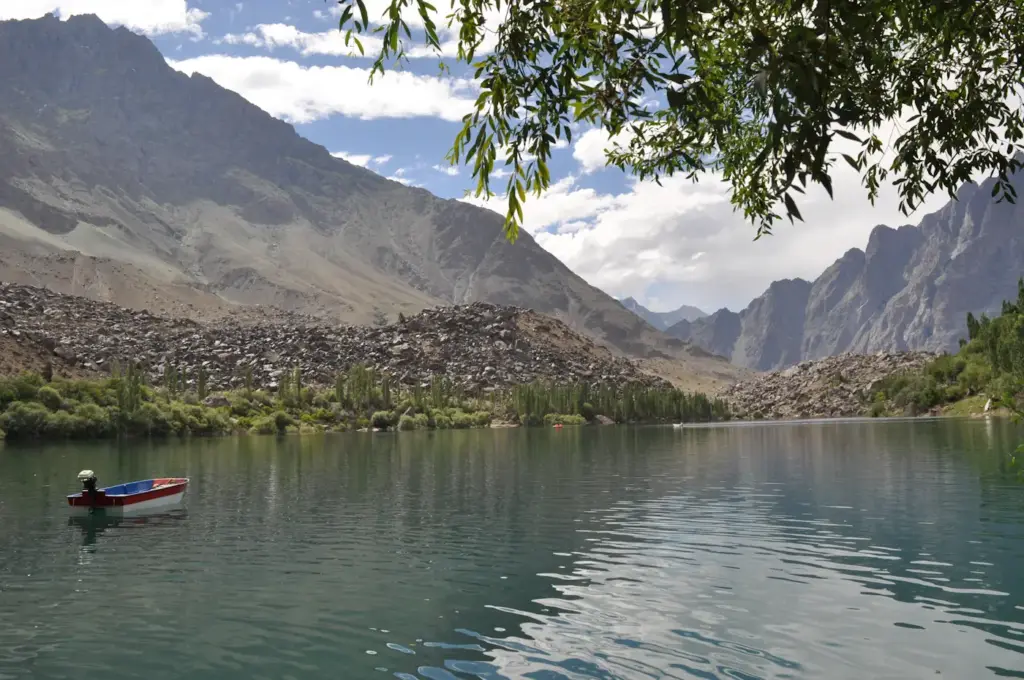
Upper Kachura Lake near Skardu

Valley

Lakes, palaces and the gateway to K2.

Explore Skardu

Pine forest at Fairy Meadows with Nanga Parbat behind

Meadow

Alpine meadows facing Nanga Parbat.

Explore Fairy Meadows

Sheosar Lake on the high Deosai Plains

Plateau

Wildflowers, brown bears and Sheosar Lake.

Explore Deosai

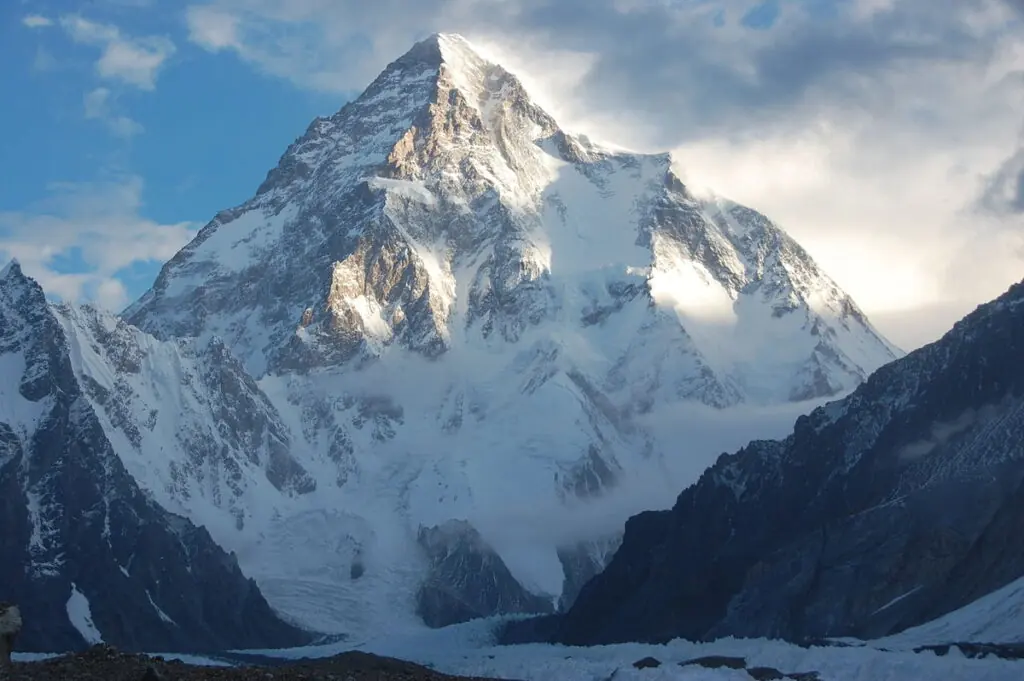
K2 (8,611 m), the second-highest mountain on Earth

Trek

The classic trek along the Baltoro Glacier.

View trek

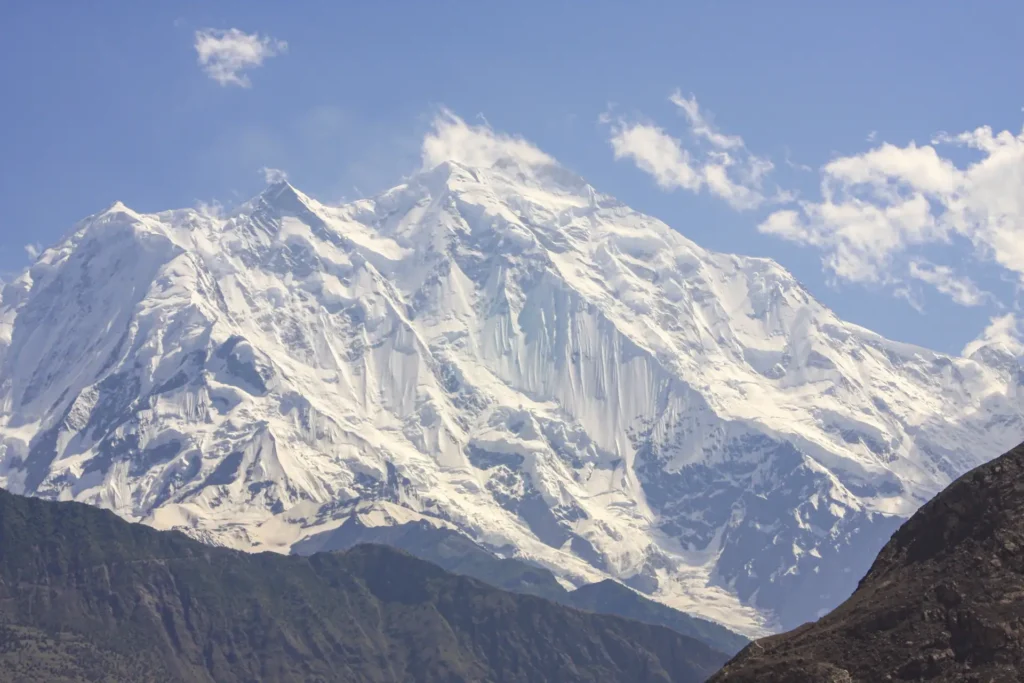
Snow-covered Rakaposhi under a blue sky

Trek

A short trek from Minapin in Nagar.

View trek

More in Gilgit-Baltistan

More Valleys to Explore

Beyond the best-known names, these valleys are well worth adding to your trip. Ask us about including any of them.

ValleyKnown forBest time
Shigar ValleyShigar Fort, the Amburiq Mosque and the road to the BaltoroApril to October
Khaplu ValleyKhaplu Palace, the Chaqchan Mosque and the Hushe Valley beyondApril to October
Astore ValleyRama Meadows, the Rupal Face of Nanga Parbat and access to DeosaiJune to September
Naltar ValleyPine forests, colourful lakes and winter skiingJune to September, and winter for snow
Khunjerab PassThe 4,693-metre border crossing and Khunjerab National ParkMay to October
GhizerRivers, lakes and the road west towards ShandurMay to October
Nagar ValleyRakaposhi, Hopar, Rush Lake and the Hispar GlacierApril to October
Phandar ValleyPhandar Lake and trout streams in GhizerMay to October

Gilgit-Baltistan in pictures

A Region of Extremes

Attabad Lake beneath snow-covered peaks, Hunza
Attabad Lake, Hunza
Khaplu Palace (Yabgo Khar), a 19th-century royal residence in Baltistan
Khaplu Palace, Baltistan
Rakaposhi (7,788 m) in the Karakoram
Rakaposhi, Nagar
Sheosar Lake on the high Deosai Plains
Sheosar Lake, Deosai
Snow-covered Nanga Parbat massif under a dusk sky
Nanga Parbat at dusk

When to go

When to Visit Gilgit-Baltistan

Each season suits a different kind of trip.

JanWinter
FebWinter
MarGood
AprBest
MayBest
JunBest
JulBest
AugBest
SepBest
OctBest
NovGood
DecWinter
Winter, cold and quietGood, coolerBest months

Spring

April brings blossom to Hunza, Nagar and Skardu, with snow still on the peaks.

Summer

June to August is the season for high treks, expeditions and the Deosai Plains.

Autumn

September and October are clear and golden, ideal for tours and photography.

Sample trips

Ways to Explore the Region

Three very different ways to see Gilgit-Baltistan.

Attabad Lake beneath snow-covered peaks, Hunza

Grand tour

Hunza and Skardu

The two great valleys of the north, linked by the road through Gilgit.

  • DurationAbout 12 days
  • LevelEasy
  • SeasonApril to October
A 4x4 crossing the Deosai Plains

Overland

Lakes and palaces, a crossing of Deosai and a night below Nanga Parbat.

  • DurationAbout 10 days
  • LevelEasy to moderate
  • SeasonJune to September
K2 (8,611 m), the second-highest mountain on Earth

Trek

The classic Baltoro trek to the foot of K2.

  • DurationAbout 20 days
  • LevelStrenuous
  • SeasonLate June to August

Explore Gilgit-Baltistan

Tell us which valleys, treks or peaks interest you, and we will plan a route that makes the most of your time.

FAQ

Gilgit-Baltistan FAQs

Still deciding? These are the questions travelers ask us most.

Fly from Islamabad to Gilgit or Skardu, or travel by road on the Karakoram Highway. In summer, the road via Naran and the Babusar Pass is another option. Flights depend on the weather, so we always plan a road backup.

A week covers Hunza or Skardu. Ten to fourteen days lets you combine several valleys. Major treks such as K2 Base Camp need around three weeks.

Most valleys and roads are open to visitors without special permits. Some treks and all mountaineering expeditions in restricted areas need permits, which we arrange.

Yes. Hunza and Skardu are quiet, cold and beautiful in winter, with clear skies. High passes, Deosai and most treks are closed.

Plan your trip

Plan Your Gilgit-Baltistan Trip

Tell us which places interest you, your dates and who is travelling. We will reply with a suggested route and the next steps. Sending this form is an inquiry, not a confirmed booking.

  1. Send your inquiryDates, group size and anything we should know.
  2. Get a tailored planWe reply by email with an outline itinerary and an itemised quote.
  3. Confirm and prepareOnce you are happy, we confirm arrangements and send a preparation guide.

Plan a Trip
Scroll to Top